
Navigating the complexities of today’s market requires an exceptional quality assurance system that can pivot swiftly and efficiently to address any discrepancies. Enter the realm of Quality Assurance Software Solutions, a transformative force in modern business practices. These solutions are more than just tools; they are your ally in the relentless quest for quality. With the integration of Non-Conformance Management functionalities, businesses can now proactively identify, record, and resolve deviations, ensuring standards are not just met but exceeded.
Fortifying the backbone of your quality initiatives are QA Enhancement Tools, which streamline the compliance process and solidify your commitment to delivering excellence. The implementation of cutting-edge software has become a cornerstone in achieving a robust and responsive quality assurance strategy. By embracing technological advancements in QA, organizations pave the way for superior quality control and a stable market presence.
Key Takeaways
- Enhance your quality assurance operations with state-of-the-art software designed to manage and resolve non-conformances.
- Utilize advanced tools to maintain industry standards and reinforce your commitment to exceptional quality and compliance.
- Leverage reliable data provided by robust reporting software to stimulate continuous quality improvements.
- Adopt a structured approach to non-conformance documentation to boost efficiency in your quality assurance processes.
- Equip your business with tools that safeguard compliance and streamline corrective actions for a more dynamic QA system.
Understanding Non-Conformance in Quality Assurance
In the sphere of Quality Management, the concept of non-conformance holds a pivotal role in shaping the efficiency and reliability of processes. When an operation, product, or service strays from predefined Compliance protocols or fails to meet the established Standards Deviation thresholds, it is categorized as a non-conformance. Instances of non-conformity can manifest as minor procedural missteps or major functional failures, each with varying degrees of impact on the overall system.
A comprehensive grasp of what entitles a deviation and the heterogeneity of such deviations across different sectors is instrumental for developing a robust Quality Assurance (QA) infrastructure. By identifying, documenting, and remedying these variances proactively, businesses not only avert potential quality crises but also fortify trust with clients and maintain a competitive edge in the market.
To illustrate, in the pharmaceutical industry, a non-conformance could involve deviations from protocols in clinical trials or manufacturing, whereas in manufacturing, it could be a flaw in raw material quality or a breach in safety regulations. Recognizing the unique requirements and repercussions of non-conformance in each industry segment is critical for tailoring effective Quality Management processes.
Categorizing non-conformance can help us understand and prioritize actions needed to address them:
- Minor Non-Conformance: Minimal impact deviations that can be corrected easily and do not significantly affect the product or process performance.
- Major Non-Conformance: Significant issues that can lead to product recalls, safety hazards, or breaches of regulatory requirements.
- Critical Non-Conformance: Severe infractions that may render the product unusable, jeopardize customer safety or lead to severe legal and financial repercussions.
Embedding a well-devised non-conformance tracking and rectification mechanism within the QA system is, hence, an indispensable aspect of Compliance and Standards Deviation mitigation – a thoroughfare to Quality Excellence.
The Role of Non-Conformance Reporting Software in QA
The quest for quality assurance is an ongoing and crucial aspect of any business. It hinges significantly on the capability to identify non-conformances and take corrective measures swiftly. In this regard, non-conformance reporting software is a critical component that serves the dual purpose of surveillance and solution within the QA matrix. This automated tool is indispensable for non-conformance identification and facilitates QA process automation, ensuring adherence to compliance software requirements.
By cataloging incidents where processes fall short of company or regulatory standards, this software lays the groundwork for building a more resilient and dependable quality assurance framework.
Defining Non-Conformance Reporting Software
Non-conformance reporting software is defined as a specialized application that captures, manages, and resolves instances of non-conformance. These instances could range from minor procedural lapses to significant compliance breaches. The software’s central purpose is to transform reactive quality control into a proactive quality assurance culture where non-compliances are not merely recorded, but their root causes are identified and mitigated.
How the Software Integrates with Quality Management Systems
Integration is a strong suit of non-conformance reporting software. It threads into the existing Quality Management Systems (QMS) smoothly, establishing a networked ecosystem that promotes cross-departmental collaboration. Through automated workflows and centralized data management, it bolsters the overall efficacy of the QA infrastructure.
| Feature | Benefit | Impact on QA |
|---|---|---|
| Automated Alert System | Immediate notification of non-conformances | Reduces lag in response time, enhancing issue resolution |
| Data Analytics Tools | Insight into patterns and trends of non-conformances | Facilitates ongoing improvement and preventive strategies |
| Regulatory Compliance Tracking | Ensures adherence to industry standards | Supports audit-readiness and reduces the risk of penalties |
| Collaborative Interfaces | Seamless coordination between departments | Encourages a unified approach to quality management |
| Customizable Reporting | Reports tailored to specific business needs | Improves decision-making with relevant, actionable data |
In summary, the role of non-conformance reporting software within the realm of quality assurance is transformative. With its capability to automate and integrate within the larger QMS, it is an invaluable asset for companies aiming to excel in quality and compliance.
Key Benefits of Implementing Non-Conformance Reporting Tools

Embracing non-conformance reporting tools within an organization is not merely a compliance gesture but a strategic decision that sets the stage for Quality Control, Risk Mitigation, and Process Optimization. These systems become instrumental in transforming quality management from a reactive protocol to a proactive powerhouse of efficiency and reliability.
Enhanced Accuracy in Data Collection
One of the immediate dividends of integrating non-conformance reporting tools is the substantial improvement in the accuracy of data collection. Quality data is the linchpin of an effective quality assurance strategy. With these tools in place, data is meticulously captured, recorded, and analyzed, ensuring a reliable foundation for all subsequent quality control and compliance activities.
Faster Response Time to Quality Issues
When quality issues emerge, time is of the essence. The quicker an organization responds to incidents of non-conformance, the more contained the impact will be. Non-conformance reporting tools are engineered to enable swift action, giving teams the capability to address issues decisively and minimize their potential effect on production workflows and customer satisfaction. A timely response is not just about rectifying problems but also a form of Risk Mitigation that guards against escalation to critical levels.
By harnessing these tools, businesses empower their workforce with real-time insights and automated alerts, streamlining the process from detection to resolution. The outcome is a dynamic Process Optimization that elevates the entire quality management suite. The benefits cascade through the organization, delivering enhanced product quality, higher customer trust, and a robust bottom line.
Strategies for Identifying Non-Conformances Early
Proactive quality management is not only about responding to issues as they arise but also about preventing them before they can have a negative impact on the supply chain. By integrating continuous improvement practices and early detection techniques, organizations set themselves up for success by mitigating risks in advance. The following strategies highlight the proactive measures that can be taken to identify non-conformances at their onset.
Establishing Effective Detection Methods
Early detection techniques are paramount in the proactive identification of potential quality issues. These methods often involve a mixture of occasional audits, regular check-ups, and the use of sensitive monitoring equipment. By regularly scrutinizing their processes, companies can spot non-conformities at their infancy, drastically reducing the chances of these issues evolving into more severe problems. As an integral part of continuous improvement, this proactive stance on quality management is essential in maintaining high standards and customer satisfaction.
Leveraging Software to Monitor Quality Metrics
The utility of non-conformance reporting software extends beyond reactive measures into the realms of proactive oversight. These powerful tools facilitate the analysis of large data sets, enabling businesses to recognize patterns that may predict future non-conformances. Tracking quality metrics with such software is vital in the early identification process, offering real-time monitoring and alerting capabilities that enhance the quality assurance lifecycle.
By leveraging real-time data, organizations can swiftly act upon the slightest deviations from the norm, often correcting them before they manifest in the final product or service. As a result, the commitment to proactive quality management fosters a culture that doesn’t just value quality but proactively guards against its degradation.
Detailed Reporting Features of Top Software Solutions
In the realm of non-conformance reporting, advanced software solutions bring forth powerful tools designed to refine and improve the quality assurance processes of businesses. One standout feature among these tools is their capacity for Automated Reporting. Through this, data on quality performance is not just gathered but insightfully analyzed, culminating in reports that drive strategic decisions and enhancements.
Customizable Reporting Templates
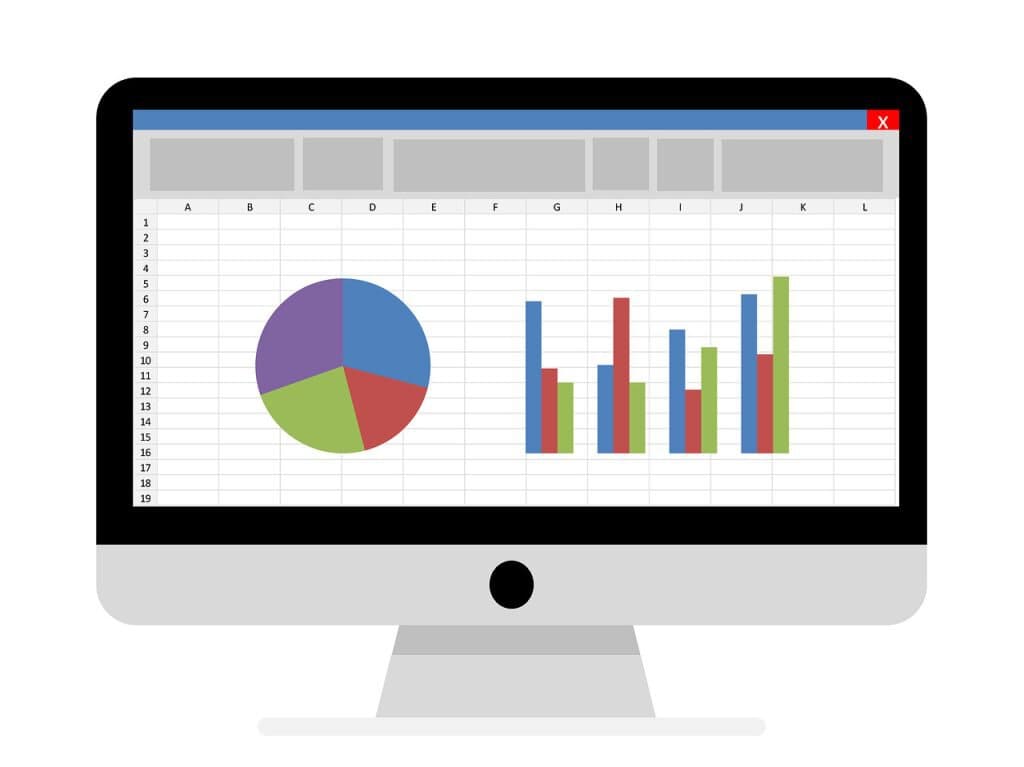
The ability to customize reporting templates is a game-changer for companies that aim to tailor their quality performance analytics to their unique requirements. Customizable reporting tools allow firms to focus on the specific data and metrics that matter most to their operations, ensuring relevant and actionable insights.
Real-time Data Analysis Capabilities
Another core feature is Real-time Monitoring. This functionality provides an ongoing snapshot of a company’s quality performance, enabling immediate detection and rectification of non-conformances. Real-time data analysis helps businesses stay proactive in maintaining top-notch quality standards, standing as a testament to the responsive nature of modern QA systems.
| Feature | Benefits | Applications |
|---|---|---|
| Automated Reporting | Saves time, reduces errors, enhances data accuracy | Quality trend analysis, performance tracking |
| Customizable Templates | Greater focus on relevant metrics, increased report usefulness | Bespoke reports for different QA teams, tailored compliance documentation |
| Real-time Monitoring | Instantaneous feedback, faster decision-making | Continuous process improvement, immediate corrective actions |
Armed with these reporting features, quality assurance teams can look beyond basic compliance, pushing the boundaries to achieve exceptional standards and continuous process optimization.
Ensuring Compliance with Industry Standards Using Software
Aligning with industry norms, achieving regulatory compliance, and maintaining audit-readiness are more than mere checkboxes for business operations—they’re integral to the backbone of a company’s sustained success and reputation. Non-conformance reporting software has risen to the challenge, offering an efficient solution to help businesses maintain quality standard adherence through meticulous control processes.
The role of non-conformance reporting software is multifaceted, with capabilities stretching from the detection of standards deviations to facilitation of corrective actions. Below are some of the ways in which these solutions solidify regulatory compliance and quality management:
- Automated tracking of non-conformance issues ensures real-time monitoring and immediate action, aligning daily operations with quality benchmarks.
- Centralized data storage provides a unified source of truth for compliance data, making it accessible for inspections and audits.
- Comprehensive reporting features enable businesses to create detailed compliance reports that readily demonstrate adherence to regulations.
- Pre-configured templates within the software are tailored to specific industry standards, reducing the risk of human oversight in compliance matters.
By incorporating these tools into their quality systems, organizations not only streamline their internal processes but also engrain a culture that values and consistently meets quality standard adherence, ultimately being perpetually prepared for any audit scenarios. Non-conformance reporting software is an ally for companies navigating the intricate web of industry compliance, fostering a culture of excellence and accountability.
Maximizing User Engagement through Intuitive Interfaces
The heart of Engaging Quality Systems is arguably their user interfaces. The more intuitive the interface of a QA software, the higher the likelihood that team members across the organizational spectrum will embrace it. Companies have seen a notable shift towards User-Friendly QA Software solutions, prioritizing minimalistic designs that are both accessible and efficient, significantly enhancing the overall quality assurance landscape. A crucial aspect of achieving Simplified Quality Management is to reduce complexity, making the most sophisticated processes seem straightforward to end-users.

When seeking to optimize a QA system, a user-friendly interface translates directly into increased user engagement. A platform that is easy to navigate ensures that everyone from technicians to management can report issues, track progress, and analyze data without the burdensome task of navigating through a complicated system. The entry barrier is lowered, leading to quicker and more efficient reporting of non-conformances, fostering a proactive quality management environment.
- User Interface Simplification: Reducing the steps required to report an incident or check the status of a quality measure.
- Intuitive Dashboard Design: Implementing a dashboard that presents data and analytics in a clear, actionable format.
- Streamlined Training Process: Offering easy-to-follow tutorials and in-app assistance to help new users understand the software swiftly.
By integrating these principles, User-Friendly QA Software plays a pivotal role in reducing the learning curve associated with complex quality management tasks. Through the utilization of graphical representations, smart notifications, and straightforward navigation, such software garners appreciation from its users, ultimately driving the effectiveness of Engaging Quality Systems.
Key Integration Capabilities for Streamlined Operations
Modern businesses require robust QA system integration to achieve operational excellence. The integration capabilities of non-conformance reporting software have become central to ensuring seamless QA system operation, essential for consistently meeting production goals and compliance standards.
Interfacing with Existing ERP Systems
The fusion of non-conformance reporting tools with existing Enterprise Resource Planning (ERP) systems is a hallmark of digital transformation. Through ERP integration, QA processes enjoy improved visibility, thereby enhancing the decision-making abilities within an organization.
Compatibility with Various Data Formats
Another cornerstone for QA system efficiency is the software’s data formats adaptability. The ability to handle various data formats ensures that valuable insights are captured from multiple sources and utilized effectively. This compatibility with diverse data structures is a testament to the software’s flexibility and capability to standardized quality across the board.
Non-Conformance Reporting: Case Studies and Success Stories
Delving into the world of Quality Assurance Case Studies, numerous businesses have demonstrated remarkable transformations through the implementation of robust Non-Conformance Solutions. These real-world examples serve as testimony to the strategic advantages of incorporating sophisticated non-conformance reporting into quality assurance protocols. Beyond mere compliance, these case studies embody Successful QA Implementations that have led to significant operational improvements and amplified customer satisfaction.
A forerunner in the aerospace sector, Boeing utilized non-conformance reporting to streamline manufacturing processes and reduce production delays. By implementing a detailed QA system, Boeing significantly lessened the occurrence of faults and increased overall productivity. This proactive stance towards quality control enabled them to enhance their brand reputation and gain a competitive edge in the marketplace.
In the pharmaceutical arena, Pfizer’s commitment to superior quality management was showcased through their strategic response to non-conformance instances. The adoption of an innovative software solution resulted in improved compliance with regulatory standards and reduced the risk of product recalls. Pfizer’s investment in technology not only fortified their QA process but also safeguarded public health and maintained consumer trust.
Toyota’s experience provides further insight into the efficacy of advanced non-conformance reporting. Following challenging episodes of product recalls, Toyota implemented stringent QA measures that incorporated detailed issue tracking and resolution. These steps assured consistent production quality, rallying both consumer confidence and company morale post-crisis. The automotive giant’s resurgence serves as a benchmark for industry peers.
In addition to these illustrations, below is a comparative table that encapsulates how distinct industries leveraged non-conformance reporting to produce actionable insights and forge ahead with improvements in their Quality Assurance systems:
| Industry | Challenge | Solution | Outcome |
|---|---|---|---|
| Aerospace | Inconsistent Production Quality | QA System Overhaul | Enhanced Manufacturing Efficiency |
| Pharmaceuticals | Regulatory Compliance Pressure | Reporting Software Implementation | Reduced Product Recall Incidences |
| Automotive | Product Recall Repercussions | Strengthened Issue-Tracking Processes | Restored Consumer Trust and Brand Integrity |
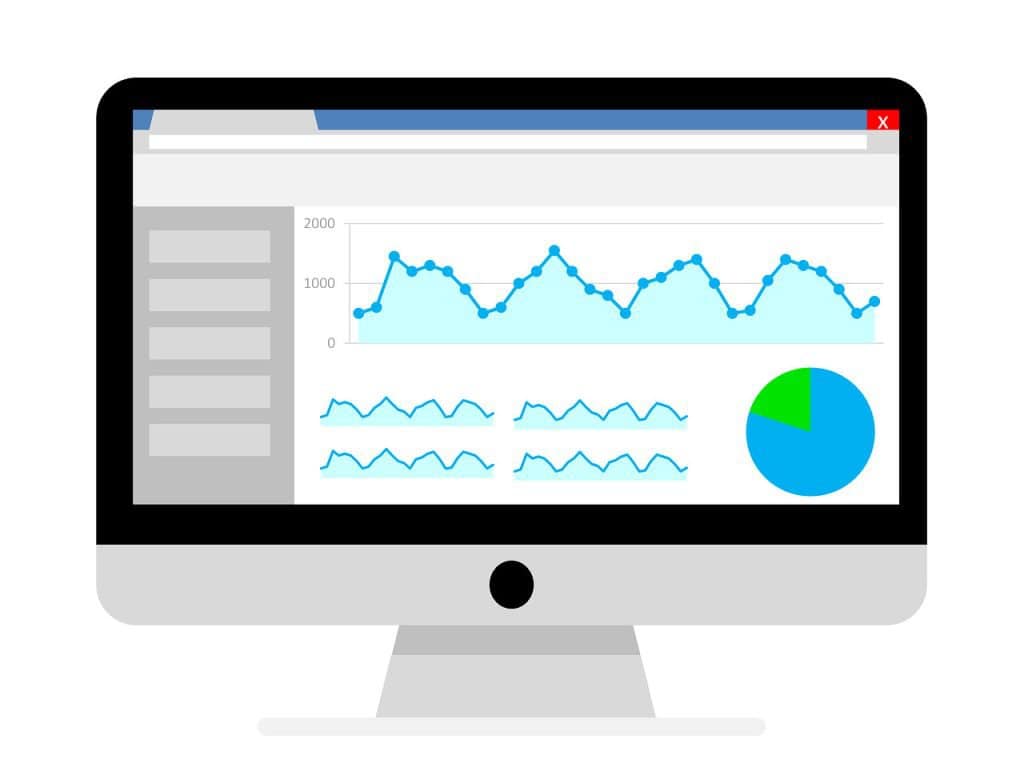
To further underline the practical deployments of non-conformance methodologies, consider the image below, demonstrating a systematic reporting interface in action:
This visual aid exemplifies the user-friendly nature of modern non-conformance software, incentivizing teams across various functions to contribute to a culture of continuous improvement and vigilance in quality assurance.
How to Choose the Right Non-Conformance Reporting Software for Your Business
Embarking on the Software Selection for QA process necessitates a strategic approach to ensure your investment enhances quality assurance efforts. A critical aspect to consider is how the software addresses the nuances of your industry’s practices and regulations. This involves a deep dive into industry-specific considerations, scalability prospects, and customization features, which combine to form a cohesive solution geared towards elevating your quality management infrastructure.
Evaluating Features Specific to Your Industry
To ensure your non-conformance reporting software is not just a generic solution but a specialized asset, it’s essential to scrutinize Industry-Specific Non-Conformance Tools. These tools come fortified with tailored functions that resonate with the particularities of your sector’s quality assurance protocols.
Considering Scalability and Customization Options
Business growth is a sign of success, but it also demands flexibility from your supporting technology. A forward-thinking business leader recognizes the importance of Scalable QA Solutions to accommodate an evolving enterprise. Consequently, when you evaluate potential software, prioritize those offering adaptable frameworks and robust customization capabilities.
Using a comparative analysis of different software options, you can assess feature sets in relation to your specific requirements:
| Software Features | Industry Specificity | Scalability | Customization Ease |
|---|---|---|---|
| Incident Tracking | Meets industry standards for incident reporting | Supports unlimited incident logs | Custom fields and workflows |
| Compliance Management | Pre-configured for regulatory needs | Adapts to changing compliance laws | User-defined compliance checklists |
| Data Analytics | Industry-specific metrics and KPIs | Scalable data processing for growing data sets | Customizable reports and dashboards |
| Integration Capabilities | Compatible with industry-standard tools | Can link with an increasing number of systems and services | APIs and plug-ins for bespoke integrations |
This table should serve as a starting point for your selection criteria. Evaluate whether the software offers unique attributes geared towards your industry, robustness against your growth scenarios, and the agility to tailor itself to your operational methods. These considerations are imperative to the continuous success of your company’s quality assurance objectives.
In conclusion, investing in the right software is not just about features; it’s about forecasting your business’s trajectory and ensuring the software propels you towards those quality assurance heights. Remember, the best non-conformance reporting software eventually becomes a seamless extension of your organizational processes, championing conformity and quality all at once.
Advanced Security Measures in Non-Conformance Reporting Software
With the rise of cyber threats, Data Security in QA has become an essential component of quality assurance practices. Businesses employing secure non-conformance tools not only ensure that their operational processes remain robust, but also safeguard Protected Quality Data, thereby maintaining their reputation and customer trust. Let’s delve into the sophisticated security features implemented within advanced non-conformance reporting software.
Encryption technologies stand at the forefront of securing sensitive QA data. By encoding information, encryption ensures that only authorized individuals with the decryption key can access the data. Effective user authentication protocols are another pillar of security, comprising measures such as multi-factor authentication (MFA), which verifies user identities through various methods before granting access.
Regular security audits contribute to a proactive approach, where potential vulnerabilities are identified and addressed promptly to prevent breaches. Furthermore, secure software provides an audit trail of user activities to ensure complete transparency and accountability in data handling.
| Security Feature | Description | Benefit |
|---|---|---|
| Encryption | Encoding data to prevent unauthorized access | Ensures data confidentiality |
| User Authentication | Verifying identities using one or more forms of identification | Controls access to sensitive information |
| Regular Security Audits | Systematic examination of security measures | Identifies and mitigates potential vulnerabilities |
| Audit Trail | Record of user activities within the software | Provides accountability and historical security insight |
By incorporating these advanced security measures into non-conformance reporting tools, organizations ensure that their quality data remains unassailable, embodying the essence of data security in QA. In an era where data breaches are costly, both financially and reputationally, investing in secure non-conformance tools is not just an option, but a necessity for quality-centric organizations.
Conclusion
The advent of non-conformance reporting software has undeniably revolutionized quality assurance practices across industries. By prioritizing accuracy, enhancing compliance capabilities, and ensuring swift responsiveness, these sophisticated tools underscore the strategic importance of a robust QA system. Through meticulous tracking, management, and analysis of deviations, they provide an infrastructure poised for securing excellence and fostering accountability within organizations.
Summarizing the Impact of Non-Conformance Reporting Software on QA
Core to the value proposition of non-conformance reporting software is its profound impact on operational efficiency and quality control. Businesses leveraging this technological tool have seen significant advancements in QA systems, showcasing innovations in quality management that extend beyond traditional frameworks. Aiding in the navigation of complex quality requirements, these solutions promote a culture of continuous improvement, facilitating a feedback loop that guides sustainable compliance and process optimization.
Future Trends in Quality Assurance Software
Looking ahead, the QA landscape is set to witness transformative trends. Future of QA compliance platforms may incorporate elevated levels of automation, integrating artificial intelligence analytics to redefine the precision of quality monitoring. The prospects of cloud-based systems also herald a new era in accessibility and scalability, catering to the evolving needs of dynamic market environments. As these innovations continue to emerge, non-conformance reporting software remains at the forefront, essential for companies committed to maintaining the highest standards of quality assurance and operational efficacy.

FAQ
What is Non-Conformance Reporting Software and how does it enhance QA systems?
Non-Conformance Reporting Software is a type of Quality Assurance Software Solution designed to manage and analyze deviations from established standards and processes. It helps companies record variances, initiate corrective actions, and promote continuous improvement, which is crucial in maintaining high product and service quality while meeting regulatory compliances.
Can you explain what non-conformance in quality assurance means?
Non-conformance in quality assurance refers to any instance where company procedures, industry standards, or customer expectations are not met. Recognizing and promptly addressing these discrepancies is key to preventing costly issues and maintaining customer trust within the overall quality management framework.
How does Non-Conformance Reporting Software integrate with existing Quality Management Systems?
Non-Conformance Reporting Software automates the capture and resolution of non-conformances and aids in defining them. Its integration with existing Quality Management Systems facilitates seamless communication across departments and creates a more interconnected and efficient QA process.
What are the main benefits of implementing Non-Conformance Reporting Tools?
Non-Conformance Reporting Tools offer benefits like enhanced data collection accuracy and faster response to quality issues. They minimize the impact on production, reduce human error, improve decision-making, and accelerate the QA process, leading to better control and risk mitigation.
How does leveraging software help in identifying non-conformances early?
Leveraging non-conformance reporting software for monitoring quality metrics allows organizations to analyze patterns and trends in data. This facilitates early detection and prevention of quality issues, underpinning proactive quality management and continuous improvement practices.
What features do top non-conformance reporting software solutions offer for detailed reporting?
Top software solutions provide features like customizable reporting templates and real-time data analysis capabilities. These features help capture dynamic insights into operations, highlight areas for improvement, and ensure teams have up-to-date information for agile quality management.
How does non-conformance reporting software ensure compliance with industry standards?
It provides a structured framework for quality control, aligning processes with necessary regulations, maintaining audit-readiness, and fostering a culture of transparency and accountability. This ensures continual adherence to quality standards and regulatory compliance.
What role does an intuitive interface play in non-conformance reporting software?
An intuitive interface in non-conformance reporting software maximizes user engagement by making it easier for all organizational levels to report incidents, access data, and engage in quality management efforts, enhancing the accuracy and timeliness of reporting.
What are the key integration capabilities of non-conformance reporting software?
This software can interface with existing ERP systems and is compatible with various data formats, which helps ensure data consistency, streamline processes, and reinforce company-wide adoption by facilitating the efficient transfer of information.
Can non-conformance reporting software contribute to successful QA implementations?
Yes, case studies often indicate that tailored non-conformance reporting software contributes substantially to the effectiveness of QA systems across industries by addressing specific non-conformance challenges and showing benefits like improved process controls and compliance.
What should businesses consider when choosing non-conformance reporting software?
Businesses should evaluate features specific to their industry to ensure the software addresses unique challenges and processes. Scalability and customization options are also essential to select a solution that can adapt and evolve with the organization’s needs.
How does non-conformance reporting software maintain the security of QA data?
Advanced non-conformance reporting software includes security features like encryption, user authentication, and security audits to protect sensitive data and ensure compliance, contributing to a company’s data security and customer trust.